
Have you ever stopped to think about the intricate network of wires humming behind your walls, silently powering your life? It’s easy to take electricity for granted until something goes wrong – a flickering light, a tripped breaker, or, in the worst-case scenario, an electrical fire.
Understanding the basics of house wiring safety isn't just about avoiding shocks; it's about protecting your home, your family, and yourself. Electrical hazards are a leading cause of house fires and can lead to serious injuries, so taking the time to learn about safe practices is one of the most important investments you can make.
Fortunately, you don't need to be a certified electrician to implement essential safety measures. Simple habits like regularly inspecting cords and outlets, understanding your circuit breaker panel, and knowing when to call a professional can dramatically reduce your risk. Let’s dive into the fundamentals of house wiring safety.
Understanding Your Home's Electrical System
Your home's electrical system is comprised of several key components working together. Understanding each part is essential for maintaining a safe environment.
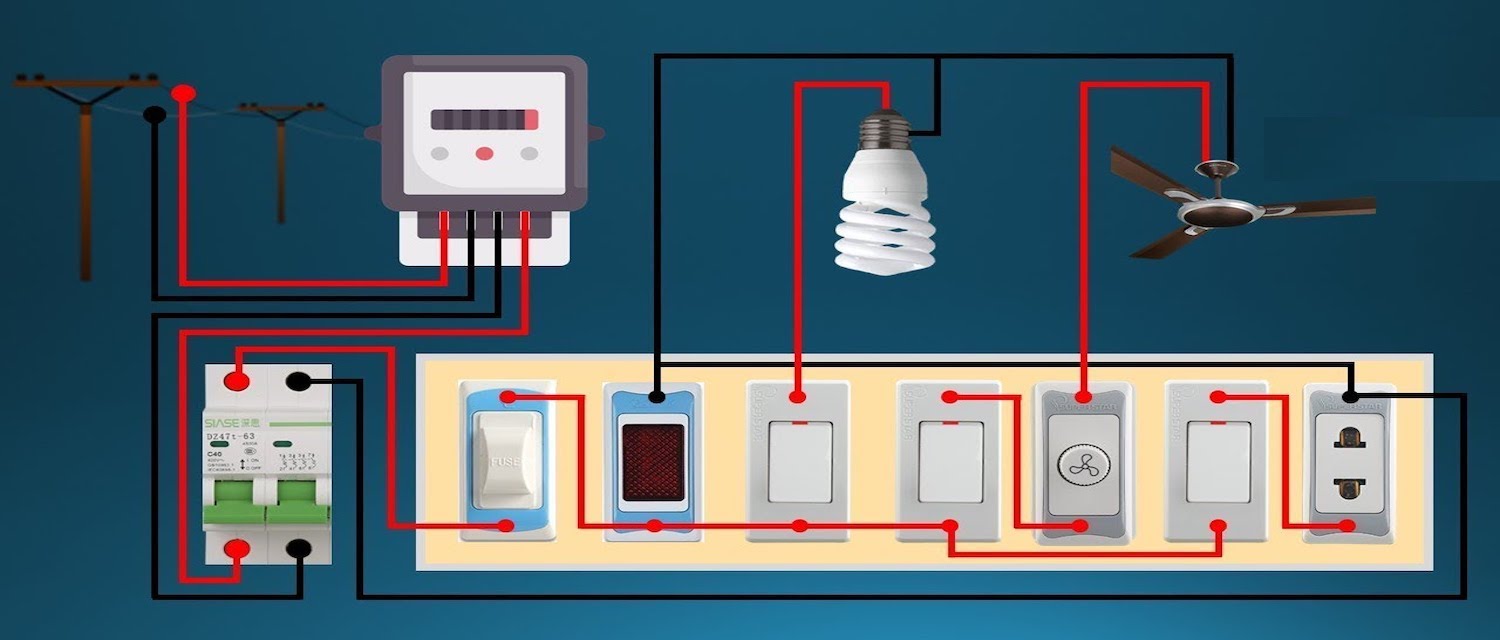
Service Entrance: This is where electricity enters your home from the utility company. It includes the service drop (the wires from the pole to your house) or underground service lateral, the meter, and the main disconnect. Circuit Breaker Panel (or Fuse Box): This is the heart of your electrical system. It distributes electricity to different circuits throughout your house and protects those circuits from overloads and short circuits. Wiring: Wires carry electricity from the breaker panel to outlets, switches, and appliances. Different wire gauges (thicknesses) are used for different circuits depending on the amount of current they need to carry. Outlets and Switches: These are the points where you access electricity to power your devices and control lights. Grounding System:This provides a safe path for electricity to flow back to the source in the event of a fault, helping to prevent shocks and fires.
Think of your home’s electrical system like the circulatory system in your body. The service entrance is the heart, pumping electricity throughout the "body" (your house) via the wiring arteries.The circuit breaker panel is like a network of valves, controlling the flow and preventing dangerous surges.
What's the Difference Between a Circuit Breaker and a Fuse?
Both circuit breakers and fuses protect your electrical system from overloads, but they do so in different ways. A fuse contains a thin strip of metal that melts and breaks the circuit when too much current flows through it. A circuit breaker, on the other hand, is a switch that automatically trips (turns off) when an overload occurs. Circuit breakers can be reset, while fuses must be replaced. Modern homes almost exclusively use circuit breakers because of their convenience and reusability.
How Can I Identify the Amperage of a Circuit Breaker?
The amperage of a circuit breaker is clearly labeled on the breaker switch itself. You'll typically see a number followed by the letter "A" (e.g., 15A, 20A, 30A). This number indicates the maximum amount of current that the circuit can handle before the breaker trips. It's crucial to use the correct amperage breaker for each circuit. Using a breaker with too high an amperage can allow too much current to flow, potentially causing wires to overheat and start a fire.
Essential House Wiring Safety Tips
Now that you understand the basics of your home's electrical system, let's discuss some essential safety tips you can implement right away. These tips cover everything from recognizing potential hazards to performing basic maintenance.
Regularly Inspect Cords and Plugs: Check for frayed cords, cracked insulation, and loose plugs. Damaged cords can expose live wires, creating a shock hazard. Replace any damaged cords immediately. Avoid Overloading Outlets: Overloading outlets by plugging in too many devices can cause the wires to overheat. Use power strips with built-in surge protectors to safely increase the number of outlets available. Never Use Extension Cords as a Permanent Solution: Extension cords are designed for temporary use only. If you find yourself relying on extension cords frequently, it's a sign that you need to install more outlets. Be Careful Around Water: Water conducts electricity, so be extremely cautious when using electrical appliances near water sources. Never use hair dryers, radios, or other electrical devices in the bathroom or near sinks. Consider using Ground Fault Circuit Interrupter (GFCI) outlets in bathrooms, kitchens, and outdoor areas. Test Your GFCIs Regularly: GFCIs are designed to protect you from electric shock by quickly cutting off power to a circuit if it detects a ground fault. Test your GFCIs monthly by pressing the "test" button. If the outlet doesn't trip, it needs to be replaced. Keep Electrical Panels Clear: Don't block access to your circuit breaker panel with furniture, boxes, or other items. In an emergency, you need to be able to quickly access the panel to shut off the power. Install Smoke Detectors and Carbon Monoxide Detectors:Smoke detectors can alert you to a fire, while carbon monoxide detectors can detect dangerous levels of this odorless, colorless gas. Test your detectors monthly and replace the batteries at least once a year.
Cost Considerations: Implementing these safety measures doesn’t have to break the bank. A power strip with surge protection costs around $15-$30. Replacing an outlet with a GFCI outlet will cost you roughly $15-$25 for the outlet itself, with an additional cost for professional installation if you're not comfortable doing it yourself. Smoke and carbon monoxide detectors are generally between $20-$50 each. These are small investments that can save lives and prevent significant damage to your property.
Safety Warning: Always turn off the power at the circuit breaker before working on any electrical component. If you are unsure about any aspect of electrical work, it is always best to call a qualified electrician. Never attempt to repair damaged electrical equipment yourself unless you have the necessary training and experience.
What is a Ground Fault Circuit Interrupter (GFCI) Outlet?
A GFCI outlet is a special type of outlet that protects against electrical shock. It constantly monitors the flow of electricity and, if it detects a leakage of current to ground (a ground fault), it quickly shuts off the power to the outlet. This happens much faster than a regular circuit breaker can trip, potentially preventing serious injury or death. GFCI outlets are typically required in areas where water is present, such as bathrooms, kitchens, and outdoor areas.
How Often Should I Have My Electrical System Inspected?
Ideally, you should have your electrical system inspected by a qualified electrician every 3-5 years, especially if you live in an older home or have experienced any electrical problems. An inspection can identify potential hazards, such as outdated wiring, overloaded circuits, or faulty grounding. Regular inspections can help prevent fires, shocks, and other electrical accidents. If you're buying a new home, be sure to have a thorough electrical inspection performed before you close the deal.
Recognizing Potential Electrical Hazards
Being able to identify potential electrical hazards is critical for preventing accidents. Keep an eye out for these warning signs: Flickering Lights: Flickering lights can indicate loose connections, overloaded circuits, or problems with the wiring. Warm Outlets or Switches: Outlets or switches that are warm to the touch may be a sign of overloaded circuits or faulty wiring. Burning Smell: A burning smell coming from an outlet, switch, or appliance is a serious warning sign that could indicate an electrical fire. Frequently Tripping Breakers: If a circuit breaker trips frequently, it's a sign that the circuit is overloaded or there's a short circuit. Don't repeatedly reset the breaker without addressing the underlying issue. Loose or Cracked Outlets: Loose or cracked outlets can expose live wires and create a shock hazard. Replace them immediately. Two-Prong Outlets in Older Homes: Homes built before the 1960s may have two-prong outlets, which are not grounded. These outlets are not safe for modern appliances and should be replaced with three-prong outlets.
Ignoring these warning signs can have serious consequences. It's always better to err on the side of caution and call a qualified electrician to investigate any potential electrical problems.
Maintenance Tip: Regularly check your outlets and switches for any signs of damage or wear. If you notice any problems, don't hesitate to call a professional electrician for assistance. Addressing small issues early can prevent them from becoming bigger, more expensive problems down the road.
When to Call a Professional Electrician
While some electrical tasks can be safely performed by homeowners with basic knowledge and experience, others should always be left to a qualified electrician. Here are some situations when it's essential to call a professional: Any Work on the Service Entrance: Working on the service entrance is extremely dangerous and should only be done by a qualified electrician. Replacing or Upgrading a Circuit Breaker Panel: This is a complex task that requires specialized knowledge and equipment. Installing New Wiring: Installing new wiring requires a thorough understanding of electrical codes and safe practices. Troubleshooting Complex Electrical Problems: If you're unable to identify the cause of an electrical problem, it's best to call an electrician for assistance. Working in Wet or Damp Locations:Working with electricity in wet or damp locations is extremely dangerous and should only be done by a qualified electrician.
Attempting to perform electrical work without the necessary training and experience can be dangerous and potentially illegal. Always hire a licensed and insured electrician for any work that you're not comfortable doing yourself. The cost of hiring a professional is well worth the peace of mind knowing that the job is done safely and correctly.
You now possess a solid foundation in house wiring safety. By understanding the basics of your home’s electrical system, implementing essential safety tips, recognizing potential hazards, and knowing when to call a professional, you can create a safer environment for yourself and your loved ones. Remember, electrical safety is an ongoing process, so stay vigilant, stay informed, and always prioritize safety.